Phishing training for Australian law firms

Help solicitors, conveyancing staff and support teams question unexpected payment and document requests. OutPhish Australia supports practical training and recurring phishing simulations.

Bring phishing awareness into the work of your legal practice

A message about an approaching settlement can feel urgent. A request may appear to come from a client, another firm or a colleague involved in the matter. That context can make an instruction look familiar even when the requested action needs an independent check.

Use phishing training to practise how your team handles changes to payment instructions, unexpected document links and requests for confidential information. Keep those checks connected to your firm's existing approvals and incident-response process.

Explore automated phishing simulations for recurring practice and employee security training for the learning to reinforce between tests.

Explore a practical training programme for your firm

Start a business trial and review how the platform fits your team.

A training conversation for the whole firm

Use your own procedures to make each discussion specific.

Solicitors and partners

Question unusual approvals, information requests and changes to matter-related instructions.

Conveyancing teams

Reinforce the verification steps used for settlement communications and payment details.

Reception and support staff

Practise handling unexpected attachments, shared files and requests to redirect messages.

Accounts staff

Connect suspicious payment requests to the firm's established authorisation process.

Practice managers

Use results to plan follow-up and keep the reporting route clear.

New starters

Introduce the firm's checking and reporting habits before staff encounter an urgent request.

Practise the decisions your team makes every day

Practical examples, feedback and a clear next step.

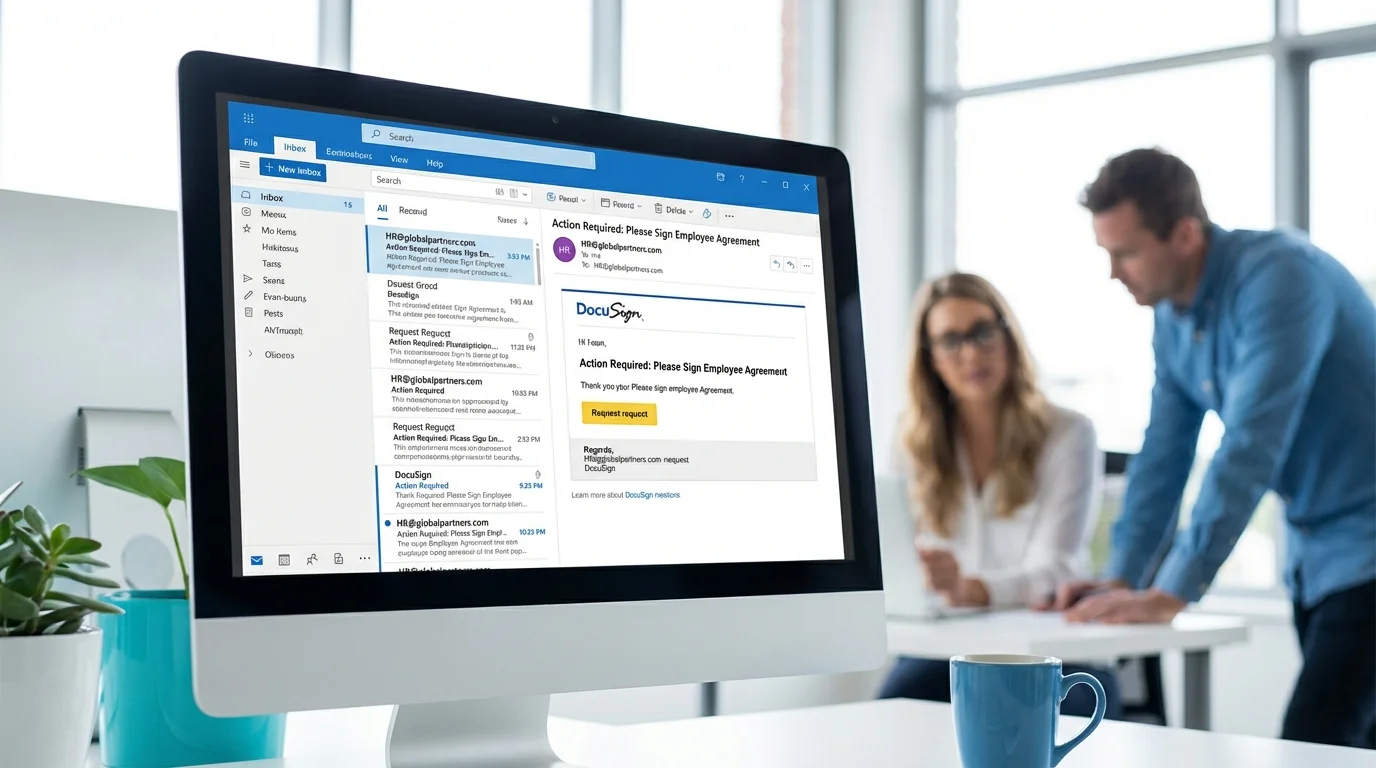
Simulated phishing email mimicking a legal document request

Recognise a legal-workplace request

Discuss examples such as a revised settlement instruction, a purported client document or an unexpected account-access notice. Identify what should prompt a pause and an independent check.

Busy solicitor working while security software runs automatically

Make room for recurring practice

Use scheduled simulations to revisit phishing awareness alongside your other training. Follow up with an explanation of the relevant warning signs and the firm's reporting route.

Security awareness training compliance report

Review where the practice needs support

Use the available results to identify topics that need clarification. Keep training records alongside the procedures and other controls your firm relies on.

Three legal-workplace situations worth practising

A change to settlement bank details

A message refers to a real matter and asks for payment to a new account. Stop the change and follow the firm's established verification and approval process using contact details already held on file.

A document shared by an apparent client

An unexpected link asks the recipient to sign in before viewing a file. Confirm the request through a known contact or the usual document-sharing system before entering credentials.

An urgent instruction from a colleague

A message asks support staff to release information or bypass an approval because a solicitor is unavailable. Treat the unusual process as a reason to check, even if the displayed name is familiar.

These are illustrative training situations, not a claim that software can prevent every fraud. Your firm's payment controls, access security and response procedures remain essential.

For an accessible introduction, share our free phishing awareness course. It is available to any person or organisation.

Questions about phishing training for law firms

Yes. Settlement communications, changes to payment details and shared documents are useful training situations for conveyancing staff. Use them to reinforce your firm's own verification procedures.

Training can help staff recognise and question suspicious requests. It does not replace payment authorisations, independent verification or other controls, and it cannot guarantee that fraud will be prevented.

Include the people who receive, forward or approve sensitive requests. Their responsibilities differ, so explain the checks and reporting steps relevant to each role.

Yes. Any person or organisation can use the public awareness course. The business trial is a separate way to explore OutPhish simulations and follow-up learning.

Help your firm pause and check before acting

Explore OutPhish Australia or discuss a starting point for your team.

Start free