Invoice Redirection Fraud
This is the big one. Criminals monitor business communications, learn who your regular suppliers are, then send emails that appear to come from those suppliers. The email requests a change to banking details. Your accounts team updates the record. The next legitimate invoice gets paid to the criminal's account instead.
These scams cost Australian businesses over $91.6 million in 2023 alone. Construction companies are particularly vulnerable because of high invoice volumes and the pressure to pay subcontractors quickly to keep projects moving.
Supplier Impersonation Attacks
Beyond invoice fraud, criminals impersonate equipment suppliers, material vendors, and even project managers. They might request urgent deposits for materials, send fake delivery notifications with malicious links, or pose as subcontractors requesting sensitive project information.
Our phishing simulation platform creates realistic versions of these attacks using AI that researches your actual business. The system knows you work in construction and generates scenarios involving equipment hire, material suppliers, and building industry services.
Why Traditional Training Fails
Annual cyber security training sessions don't work. Staff sit through a presentation, tick a compliance box, then forget everything within weeks. When a real attack arrives six months later, they click without thinking.
Automated phishing tests change this. Regular simulated attacks keep security awareness front of mind. Staff who fail receive immediate training while the mistake is fresh. Difficulty increases as employees improve. It's a continuous learning loop, not a one-off event.
How Our Platform Protects Your Business
When you sign up, our AI researches your organisation. It identifies your industry, understands the types of suppliers you likely work with, and generates phishing scenarios that match your business context. A construction company receives simulated attacks about building materials and equipment. An accounting firm receives different scenarios entirely.
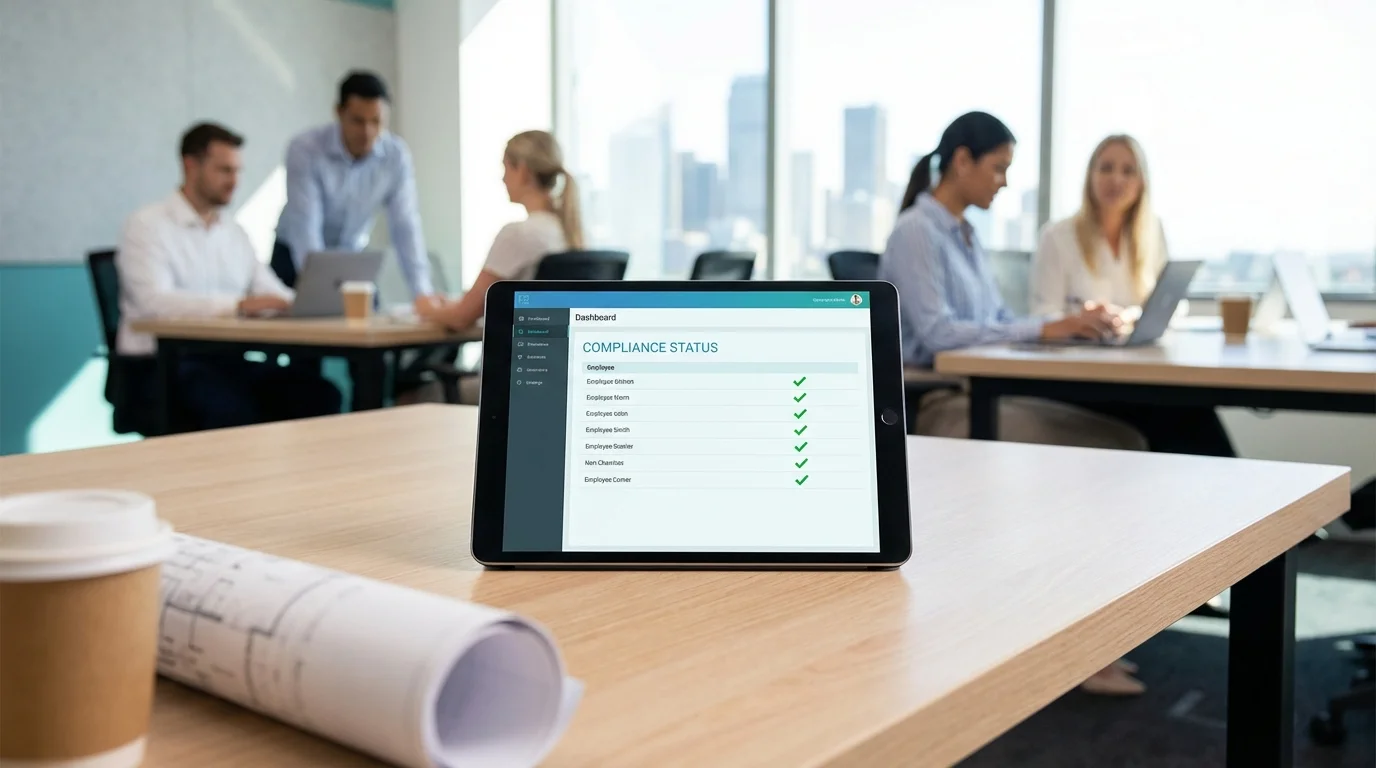
You add your employees through a simple dashboard. Choose how often tests run. The platform handles everything else. When someone fails a test, they receive instant feedback explaining what they missed. The system tracks their performance and adjusts future test difficulty accordingly.
No IT skills needed. No complex configuration. Just effective employee cyber training that actually reduces your risk of falling victim to fraud.