Point-of-sale systems are the beating heart of retail and hospitality operations. They're also a favourite target for cybercriminals. A single successful phishing attack can give attackers access to your POS network, customer payment details, and business accounts. The consequences include financial losses, reputational damage, and potential breaches of the Privacy Act.
The Real Cost of Phishing in Retail and Hospitality
Australian retailers and hospitality venues face unique challenges. Staff work irregular hours across multiple shifts. Casual workers may only be on the floor a few days per week. Managers juggle customer service, stock management, and compliance requirements. Traditional security training programs demand scheduled sessions that pull staff away from customers.
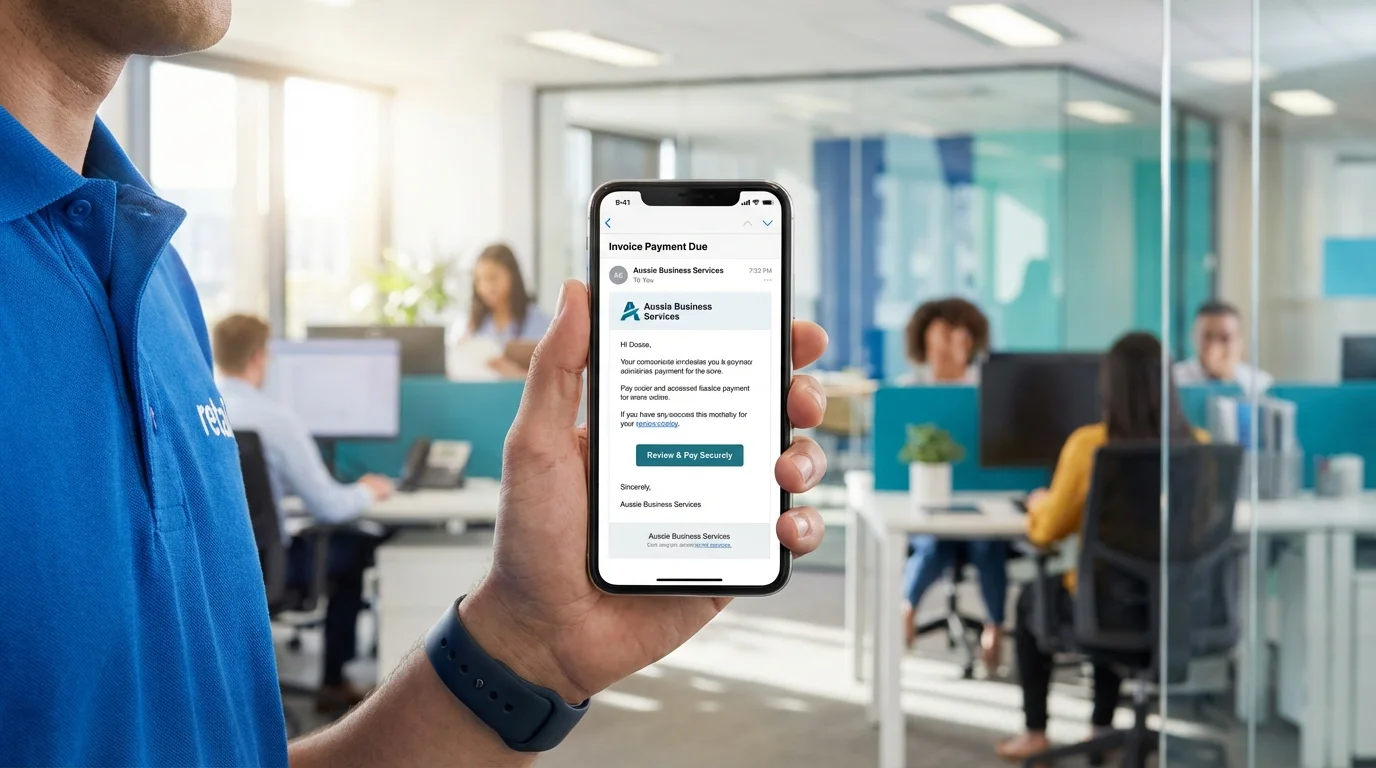
Phishing attacks exploit these pressures. A convincing email about a failed delivery arrives during the lunch rush. A fake password reset request lands in an inbox at 6am before the morning shift. A fraudulent invoice from a "supplier" requests urgent payment. Busy staff make split-second decisions that can compromise your entire operation.
How Automated Phishing Tests Protect Your Business
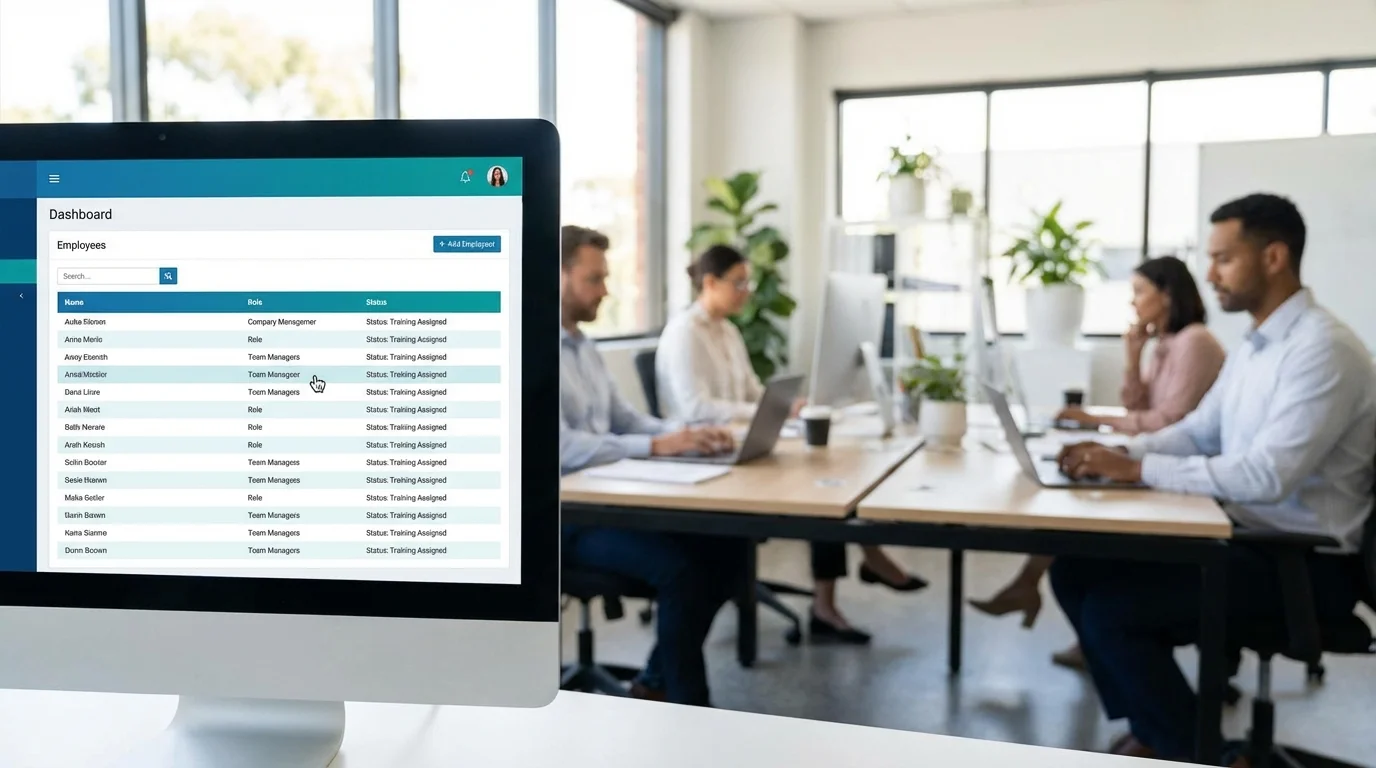
Our security awareness training platform works differently. Once you add staff email addresses to the dashboard, the system handles everything automatically. It researches your business to understand your suppliers, software, and industry context. Then it generates customised phishing simulations that mirror real attacks.
The automated phishing tests arrive at random intervals. Staff never know when a test is coming, which builds genuine vigilance rather than temporary alertness before scheduled training. When someone clicks a simulated phishing link, they see an immediate teaching moment explaining what they missed. No public shaming. No manager intervention required.
Hospitality Cyber Security Training That Actually Works
Hospitality businesses handle sensitive customer information beyond payment cards. Booking systems contain names, addresses, phone numbers, and travel dates. Loyalty programs store purchase histories and personal preferences. This data has significant value to criminals.
Our hospitality phishing simulation includes scenarios targeting these specific vulnerabilities: fake booking platform notifications, fraudulent guest complaints requiring "immediate action", and counterfeit loyalty program updates. Staff learn to recognise these attacks in the context of their daily work.
Simple Pricing for Small Business Budgets
Cyber security training for small business shouldn't require enterprise budgets. Up to 15 staff is free, and paid tiers are a flat monthly price by headcount from A$19. Teams of 51 to 100 pay A$69 a month; above 100 it is A$69 plus A$0.50 per person. Compare that to the cost of a single data breach or the time spent running manual training sessions.
The platform requires no IT skills to operate. If you can use email, you can run effective phishing training for your retail or hospitality team.